Colorado Hot Springs for Every Budget: Free Soaks to Luxury Resorts
Field-verified Colorado hot spring guides written by an outdoor content veteran with 20 years of experience.
- November 8, 2026
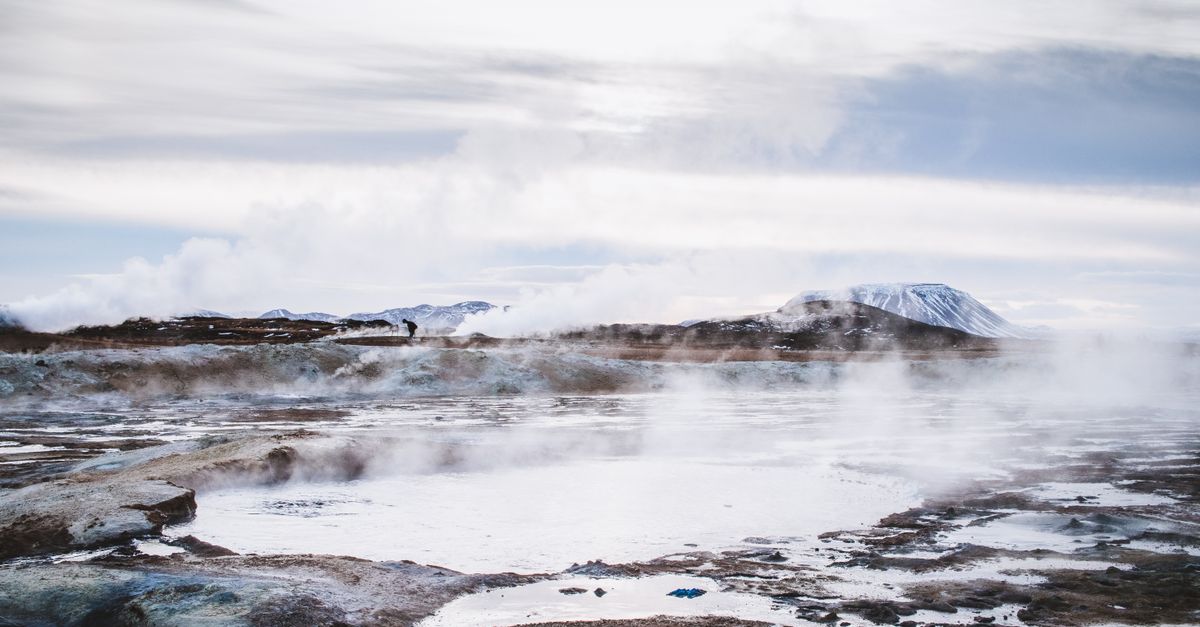
Photo by David Hitchcock via Pexels
Colorado's geothermal water spans the entire price spectrum: a riverside rock pool costs nothing but the walk in, while a luxury resort in the San Juan Mountains runs well past $1,000 a night. This guide breaks the state's soaking options into four tiers (free, under $20, $20 to $50, and luxury) and covers the details that move the math: parking, permits, towel rentals, and what each price point buys. Two world records give a sense of the scale. Guinness World Records certifies the Glenwood Hot Springs Pool as the largest hot springs pool on the planet, and Pagosa Springs' Mother Spring, measured at 1,002 feet deep in 2011, holds the record as the deepest geothermal hot spring. The water is the same mineral-rich stuff at every tier. What changes is how much of it someone has piped, heated, and landscaped for you.
Free: Hike-in soaks and roadside pools
Colorado's free hot springs share two traits: no development and no mercy for the unprepared. The best known is Conundrum Hot Springs near Aspen, a set of pools at roughly 11,200 feet, among the highest-elevation hot springs in the country. Getting there means an 8.5-mile, one-way hike up the Conundrum Creek Trail. Day use is free, but overnight camping requires a permit through Recreation.gov with a per-person, per-night fee. The White River National Forest set up the system to cap crowds in the fragile meadow basin, and summer weekend permits go months in advance. The springs themselves are rock-lined pools around 102 degrees, and the trailhead parking is free.
Closer to the road, Radium Hot Springs sits on a rock shelf above the Colorado River south of Kremmling, about a one-mile walk from the parking area along Colorado River Road. The pool holds water in the high 90s to low 100s depending on how much river is leaking through the stones, and parking is free. Last January I sat chest-deep in Radium's pool while snow hissed into the Colorado River below; the rock walls held their heat and the silence held everything else. Penny Hot Springs, a roadside pullout on Highway 133 along the Crystal River near Carbondale, has bather-built stone pools that appear and disappear with runoff; spring snowmelt buries them, late summer reclaims them. South Canyon Hot Springs, a 0.75-mile hike from a pullout off I-70 exit 109 outside Glenwood Springs, has travertine terraces with user-maintained tubs of varying temperature. The Piedra River Hot Springs east of Pagosa Springs require about a 1.5-mile hike from First Fork Road; the payoff is riverside pools in a sandstone canyon. None of these sites have changing rooms, restrooms, or potable water. Bring your own towel, test the water with your hand before you get in, and pack out everything you brought.
Under $20: Small operations, real amenities
The sub-$20 tier is where you first get hot showers, locker rooms, and water that someone else monitors for temperature. Dakota Hot Springs in Penrose, about 40 minutes from Colorado Springs, charges roughly $12 to $15 for adults at its outdoor geothermal pool, which sits in the high 90s and is part of a working geothermal greenhouse operation. The venue is clothing optional, parking in the gravel lot is free, and the rural setting keeps crowds thin on weekdays.
Cottonwood Hot Springs in Buena Vista asks around $15 to $17 for its outdoor stone ponds beneath the Collegiate Peaks, with a basic changing area and a strict adults-oriented quiet policy: no cell phones, no amplified anything. The ponds step down in temperature, so you can move from a simmering upper pool to a cooler lower one as your core heats up. Parking is free on site. Old Town Hot Springs in Steamboat Springs sits at the top of this tier at roughly $20 for adult drop-in, but it comes with a full aquatic center: an eight-lane pool, waterslides, a fitness center, and the historic Heart Spring, a natural 102-degree pool the Ute people soaked in long before the bathhouse went up. Because it sits in downtown Steamboat, plan on metered street parking or a garage. This tier is the sweet spot for travelers who want hot water on demand without a resort price, and it is where families with kids get the most value, since children's rates typically run half of adult admission.
$20 to $50: The middle tier does the heavy lifting
Most of Colorado's memorable commercial soaks land in the $20 to $50 range. Iron Mountain Hot Springs in Glenwood Springs, which opened in 2015, sells day passes in the low $30s for access to 16 soaking pools from 99 to 108 degrees, with the temperature posted at the edge of each, plus a freshwater family pool with a jetted area. The site has a bathhouse, a café, and on-site parking along the Colorado River. Twenty minutes south, on the corridor next to Highway 82, Mount Princeton Hot Springs Resort in Nathrop charges around $30 for a day pass that buys the resort's signature experience: soaking in Chalk Creek itself, where 135-degree spring water pours over a rock wall into the cold creek, and you find your spot by shuffling stones to tune the mix. The resort also has a large heated pool and a full spa, and parking is free.
Strawberry Park Hot Springs outside Steamboat Springs is about $25 for adults, with stone-lined pools at 102 to 105 degrees set in an aspen draw. Two things to plan for: after dark the venue goes clothing optional, and in winter the last stretch of road requires four-wheel drive or snow-rated tires, or you book the shuttle from town. Orvis Hot Springs in Ridgway, about $35 for a day pass, is clothing optional around the clock across seven ponds fed by lithium- and mineral-rich water, and the hottest pond runs well past 105 degrees. Joyful Journey Hot Springs Spa in the San Luis Valley town of Moffat keeps adult soaks near $25, with alkaline-heavy water and a straight-on view of the Sangre de Cristo range, plus yurts and rooms if you want to sleep on site.
Luxury: $50 and up
The Springs Resort and Spa in Pagosa Springs is the anchor of this tier, with 25 terraced soaking pools stepping down a hillside above the San Juan River, all fed by the Great Pagosa Aquifer, the source of that record-setting 1,002-foot Mother Spring. Day passes typically run north of $50, but overnight guests get unlimited access, and the walk to downtown Pagosa's restaurants is under ten minutes. The tiered design means you can work from a cool 83-degree pool up to a 109-degree one over the course of an afternoon, and the resort's spa, accommodations, and riverside location make it a legitimate base camp rather than a day trip.
Dunton Hot Springs, a restored 1880s mining town outside Telluride, tops the market, with all-inclusive rates that commonly exceed $1,000 per night for a handful of hand-built cabins, a saloon, fine dining, and a historic bathhouse fed by a 105-degree spring. You are paying for exclusivity and logistics as much as water. The town operates as a near-private resort, and booking well ahead is the norm. Between these poles, several Pagosa properties and Mount Princeton's spa packages let you assemble a luxury day (massage, private tub, plated lunch) for $100 to $150 without sleeping over.
Doing the math before you go
Budget for more than the admission price. Parking at free sites costs nothing but fills by mid-morning on summer weekends; at commercial pools, expect free lots at rural resorts, paid garages or meters in Glenwood and Steamboat, and a shuttle fee if you skip the snow tires at Strawberry Park. Towel and robe rentals run $5 to $10 at most developed facilities, so bringing your own pays for lunch. Prices shift seasonally, and most resorts charge a few dollars more on weekends and holidays, so verify current rates on operator websites before you commit. Whatever tier you choose, the etiquette is constant: hydrate, limit soaks above 104 degrees to fifteen minutes at a stretch, never soak alone in undeveloped water, and leave free springs cleaner than you found them. The Colorado Historic Hot Springs Loop, a collective of the state's soaking towns, maps connections between properties if you want to string several tiers into one trip. The water doesn't care what you paid; your planning should.