Hot Springs Without Reservations: Colorado's Walk-In Soaks, From Glenwood to Pagosa
Field-verified Colorado hot spring guides written by an outdoor content veteran with 20 years of experience.
- November 11, 2026
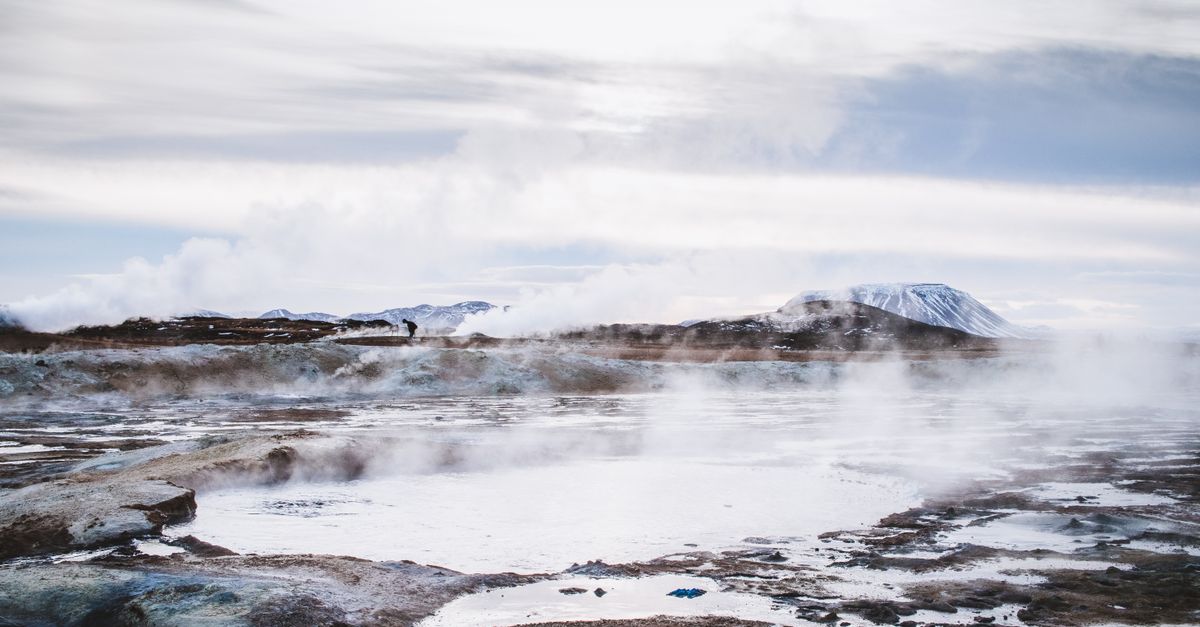
Photo by David Hitchcock via Pexels
You can walk into most of Colorado's developed hot springs today, pay at the counter, and be in the water within minutes. Of the roughly two dozen commercial soaks Soak Colorado tracks statewide, most sell day-use admission first-come, first-served, and reservations are the exception. The exceptions cluster in three predictable places: private tubs and spa treatments, which almost always book out; a few high-volume resorts that have moved to timed entry; and wilderness springs like Conundrum, near Aspen, where the water is free but an overnight permit through Recreation.gov is mandatory. Everywhere else runs on walk-in traffic: Glenwood Springs, Ouray, Steamboat, Ridgway, the San Luis Valley, most of Pagosa. Timing is what actually decides the trip. Arrive within the first hour of opening on a weekend and you will get in; show up at 2 p.m. on a holiday Saturday and you may not.
The big pools that still run first-come
Glenwood Hot Springs Pool
Glenwood's flagship pool has been billed for more than a century as the largest hot mineral pool in the world, and nothing else in the state comes close to it in scale. The main pool holds water in the low 90s and stretches far enough that lap swimmers share it with kids on floats; a smaller, hotter therapy pool sits beside it in the low 100s. Admission is sold at the gate, and the pool operates year-round, which makes it one of the few soaks in Colorado where a January blizzard actually improves the day. Across the river on the same walkable block, the Yampah Vapor Caves run their own walk-in operation, a century-old geothermal steam cave where you soak in mineral vapor instead of open water. Between the two, Glenwood is the closest thing Colorado has to a guaranteed soak: massive capacity, long hours, and no booking step anywhere.
Ouray Hot Springs Pool
Ouray's pool is city-owned and city-run, which is the single best predictor of walk-in access in this state: municipal pools don't build reservation systems. The original pool dates to the 1920s; the current one reopened in 2016 after a full reconstruction, and it now offers several distinct soaking areas ranging from the mid-90s to about 106 degrees, all framed by the cliffs of the Ouray Amphitheater. I soaked there on a weekday morning this past January, with snow falling straight through the steam, and shared a 104-degree pool with four other people and total silence. That's the reward for weekday timing at a walk-in facility: the crowds that reservation systems exist to manage simply aren't there.
Old Town Hot Springs
Downtown Steamboat Springs operates its hot spring as a nonprofit recreation center, built directly over a source the town has used since the 1880s. It has multiple pools at staggered temperatures, waterslides in summer, and an attached fitness club. Daily admission is at the front desk, no booking required. It's the town's public swimming hole, which is exactly why it stays walk-in.
First-come soaks in the high country
Strawberry Park Hot Springs
Strawberry Park, three rough miles up a dirt road from Steamboat, is the classic Colorado soak: stone-lined pools terraced into a dark spruce hillside, water hovering near 104, and no electricity-grade polish anywhere. Day use is first-come, and the true capacity limit is the parking lot, not the pools. On peak winter weekends, cars get turned away once the lot fills, so late arrival is the only way to fail here. Two rules shape a visit: guests must be 18 or older after dark, and in winter the road closes to standard vehicles, so you either drive up with four-wheel drive and real snow tires or take the local shuttle. The rustic cabins on site require booking, but the soak itself has no gate, no time slot, and no app.
Penny and Radium Hot Springs
The free springs follow the same logic, minus the counter. Penny Hot Springs sits on the bank of the Crystal River along Highway 133 near Redstone: rock-walled pools rebuilt by locals, no fee, no permit, open whenever you care to walk down the bank. The water temperature swings with river level, which makes cold, low-water months the reliable season. Radium Hot Springs sits on a bend of the Colorado River southeast of Kremmling at the end of a roughly one-mile hike, a thin hot seep collected in rock ledges that fills with river rafters in July and snowshoers in February. Neither has amenities of any kind, and neither has ever asked anyone to reserve anything.
The San Luis Valley and the Southwest
Valley View Hot Springs
Valley View, run by the nonprofit Orient Land Trust near Villa Grove, is the San Luis Valley's big walk-in soak: a sprawling clothing-optional complex of ponds and soaking pools spread across a hillside, day admission sold at the check-in door, no advance booking. It's open year-round. Two things distinguish it beyond the water, which runs from the mid-90s to around 107 degrees depending on the pool. The land trust protects several thousand acres of dark sky, so night soaks come with a genuine star field overhead. And on summer evenings, a colony of bats pours out of the abandoned mine on the property at dusk, a spectacle that costs exactly what the soak costs.
Orvis Hot Springs
Orvis, in Ridgway, is the Southwest's clothing-optional walk-in option: seven ponds fed by naturally flowing mineral water notably high in lithium, day admission at the door, open through every season. It pairs naturally with an Ouray or Telluride trip, since it sits an easy drive from both.
Pagosa Springs without a booking
Pagosa is built over the Great Pagosa Spring, certified by Guinness World Records as the deepest measured geothermal hot spring on the planet at more than a thousand feet. The big resort on the riverbank, the Springs Resort, leans on timed day passes during peak periods, but the walk-in options in town are strong. Overlook Hot Springs Spa runs rooftop soaking tubs right downtown with straight-on views of the San Juans; capacity is small, so midday waits happen, but there's no booking system. Healing Waters Resort and Spa sells day-use access alongside its lodging, with the town's geothermal water doing the work.
What "no reservation" actually means
Walk-in access does not mean unlimited access, and understanding the difference is what keeps a spontaneous trip from failing at the door. First-come means there's a cap: every pool on this list can and does sell out on holiday weekends, usually by late morning. It also applies to general admission only. Private soaking tubs, massage appointments, cabins, and lodge rooms book ahead everywhere, including at walk-in facilities like Strawberry Park. And the category has real exceptions worth memorizing before you drive. Iron Mountain Hot Springs in Glenwood uses timed ticketing, so it's the one soak in that town that can't be improvised. Conundrum Hot Springs requires an overnight wilderness permit despite being free and primitive. Dunton books out months in advance and always has. Winter adds its own filter: Strawberry Park's road demands four-wheel drive, Penny's temperature depends on the river, and a post-storm call before driving is cheap insurance. The pattern across all of it is simple. Pick the soak, aim for a weekday morning or a resort's opening hour, check the road report, and go. That is the entire booking process for most of the hot water in Colorado.