Paradise Hot Springs Colorado: Your Complete Guide to Hiking In
Field-verified Colorado hot spring guides written by an outdoor content veteran with 20 years of experience.
- September 27, 2026
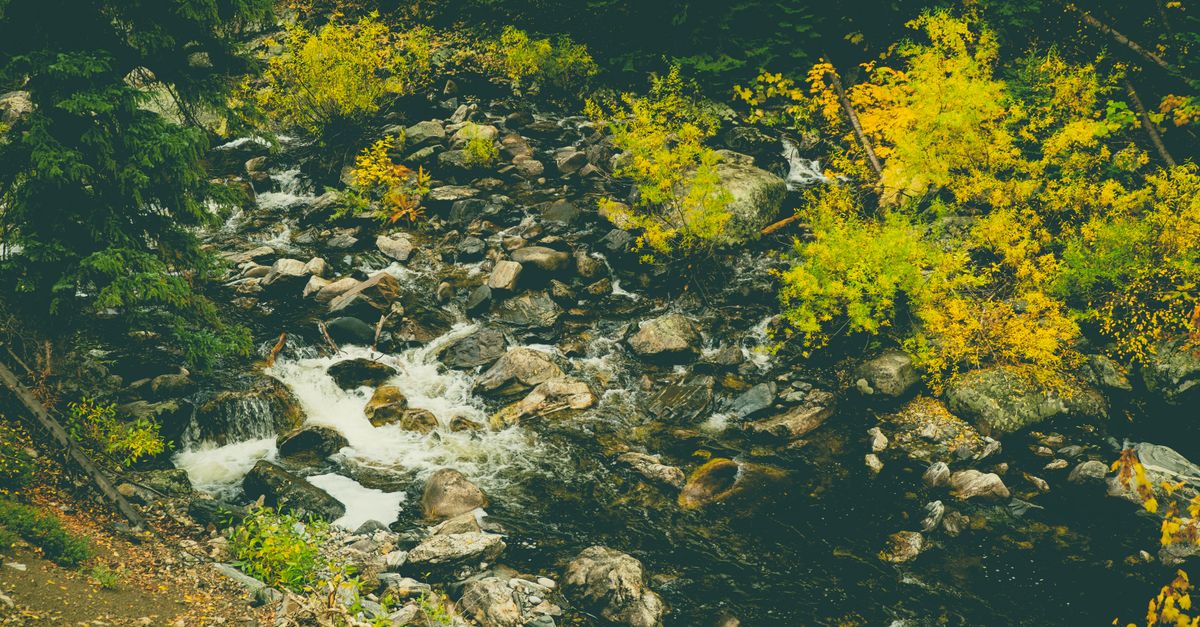
Photo by Todd Willett via Pexels
The parking area sits just off Interstate 70, a gravel lot that looks too small to matter until you notice the hikers and mud-splattered vehicles that accumulate on weekend afternoons. Paradise Hot Springs draws a specific crowd, those willing to put in a moderately challenging 1.5-mile hike to reach natural pools that have been drawing soakers to this Clear Creek canyon for over a century. This is not a resort. There are no robes, no attendants, and no guarantees beyond hot water rising through granite and a forest canopy overhead that smells like pine and possibility.
Finding Paradise: Location and Driving Directions
Paradise Hot Springs occupies a dramatic canyon setting along Clear Creek, approximately 45 miles west of Denver near the historic mining town of Idaho Springs. The access point sits at an elevation of roughly 8,200 feet, placing you firmly in the Colorado Front Range where the mountains rise steeply from the plains and the geology tells a story of ancient thermal activity still very much alive today.
From Denver, travelers head west on Interstate 70 and exit at Dumont, Mile Marker 234. Drivers turn north onto the frontage road, following signs that wind alongside Clear Creek as the canyon walls close in. The road narrows and the posted speed limits drop as residential properties give way to forest service land. Approximately 0.7 miles past the town of Dumont, visitors turn left into a small parking area marked by a trailhead sign. The lot fits maybe 15 cars when full, which happens a lot in peak season.
The parking area includes a basic vault toilet and trailhead register. No facilities exist along the trail or at the springs themselves, making the short hike a true backcountry experience despite the proximity to the interstate.
The Trail: What to Expect on the 1.5-Mile Hike In
The Paradise Hot Springs trail climbs approximately 600 feet over its 1.5-mile length, following an old road grade before branching onto a narrower singletrack path. The first half mile remains relatively gentle, following the creek through a forest of lodgepole pine and Douglas fir that provides welcome shade during summer months. The trail surface alternates between exposed granite shelf, rocky tread, and sections of eroded soil that require attention during and after rain.
The gradient steepens noticeably around the halfway point. Hikers encounter several switchbacks carved into the hillside, and the creek noise fades as the path climbs above the canyon floor. At approximately 1.2 miles, the trail descends briefly before reaching the main thermal area where steam rises between the trees.
The hike takes most visitors 30 to 45 minutes one way. Trail conditions vary significantly by season. The path becomes icy and potentially hazardous from late fall through early spring, requiring traction devices and careful navigation. Summer monsoons can create muddy, slick sections. The trail receives moderate maintenance but should not be considered a manicured path. Proper hiking footwear with ankle support and grippy soles serves visitors far better than athletic shoes or sandals for the trek.
The Pools: Natural Rock Formations and Soaking Options
The thermal feature manifests as a series of small pools carved into the creek-side rock, where geothermal water mixing with Clear Creek creates a range of temperatures. The main soaking area consists of three to four distinct pools, though their configuration changes somewhat with seasonal creek flow and visitor modification. The largest pool measures roughly 10 feet across and sits directly adjacent to the creek, allowing soakers to adjust water temperature by damming or breaching the natural rock boundaries between the hot spring outlet and the cold creek water.
Water temperatures at the primary pool register between 102 and 108 degrees Fahrenheit depending on the season, creek flow, and where exactly you position yourself within the pool. A smaller, hotter pool upslope maintains temperatures closer to 112 degrees, though extended soaking at this temperature carries health considerations. A cold plunge in the adjacent creek provides the essential contrast that makes the experience complete.
The rock surrounding the pools consists of ancient Precambrian granite, with veins of lighter-colored quartz threading through the dark stone. Mineral deposits from centuries of thermal activity have left travertine formations along the creek edge, creating the natural walls that hold the pools in place. The visual effect is striking. The pale mineral deposits against dark rock and surrounded by green forest creates an almost otherworldly setting.
Water chemistry at Paradise Hot Springs reflects the typical geothermal signature of Colorado's Front Range springs. The water carries dissolved minerals including sulfur, which produces the mild egg-like odor present near the thermal outlets. Calcium, magnesium, and silica also appear in the mineral composition. Comprehensive public water testing data for this specific site is limited, though similar Front Range hot springs in the area are known for their mineral content and moderate pH levels.
The Culture: Clothing-Optional History and Current Atmosphere
Paradise Hot Springs operates under a traditional backcountry ethic where clothing is optional and has been since the springs became known to the broader public. The informal naturist culture developed organically over decades of use, shaped by the remote location, the presence of established pools suitable for both solitary soaking and group gathering, and the general ethos of freedom associated with backcountry thermal bathing in Colorado.
The crowd at Paradise tends toward locals and regular visitors who appreciate the authentic, unmodified nature of the experience. You will encounter a mix of ages, backgrounds, and preferences, with a generally welcoming atmosphere that focuses on the shared appreciation for the natural setting rather than social performance. Newcomers often report initial hesitation that dissolves within minutes of entering the water, replaced by the simple pleasure of soaking in a wild place.
Respect for other visitors and the environment defines the social contract here. Loud music, glass containers, and disruptive behavior are rare and unwelcome. The unspoken expectation involves treating the space as you would a friend's backyard. Casual, comfortable, and considerate.
History: Indigenous Use and Modern Discovery
The geothermal activity that creates Paradise Hot Springs represents ancient geological processes that have operated beneath the Colorado Front Range for millions of years. The thermal waters originate as precipitation that infiltrates deep into the earth's crust, where geothermal heat warms the water before it rises through fractured granite along geological fault lines that parallel Clear Creek Canyon.
Long before European settlers arrived, indigenous peoples of the Cheyenne, Arapaho, and Ute nations knew of and used the hot springs throughout this region. The Idaho Springs area served as neutral ground where different groups gathered to use the thermal waters, hunt, and trade. The specific thermal seeps that would become Paradise Hot Springs would have been known to these communities as part of the broader landscape they inhabited and traveled through for millennia.
Modern discovery of Paradise Hot Springs in its current form dates to the late 19th or early 20th century, when the general area was extensively explored for mineral resources and recreational opportunities. The logging and mining activity that shaped Idaho Springs and the surrounding canyon would have made the remote thermal seeps accessible to early visitors. The springs earned their name during this period, reflecting the sense of discovery and reward that greeted those who hiked into the canyon to find them.
The property has changed hands several times over the past century, but the essential character of the experience has remained unchanged. The pools remain natural, the setting remains wild, and the access remains free.
When to Visit: Seasons, Weather, and Timing
Summer months from June through September draw the largest crowds, with July and August seeing daily visitation that can make the pools feel crowded during peak afternoon hours. Summer soaking offers the most comfortable air temperatures, typically ranging from the 70s to low 80s during the day, though afternoon thunderstorms are common and bring the risk of lightning in exposed canyon locations.
Early morning soak sessions between 6 and 9 AM offer the best combination of solitude and water temperature. The trailhead parking lot begins filling by mid-morning on busy weekends, and the pools themselves may have multiple parties present by late morning. Late afternoon visits often mean sharing the pools, though the evening light through the canyon trees creates a beautiful atmosphere.
Fall brings thinner crowds and spectacular foliage color as the aspens turn gold against the evergreen backdrop. September and early October often provide ideal conditions. Warm afternoons, cool evenings, and reduced creek usage. The trail may be muddy and the water temperature slightly lower as ambient air temperatures drop, but the reduced crowds make the tradeoff worthwhile for many visitors.
Winter and spring access requires significant caution. The trail becomes icy and hazardous without proper traction devices, and the pools themselves may have hazardous ice accumulation or dangerously hot water with no cold creek mixing option. Most experienced regulars avoid Paradise during December through March.
What to Bring: Gear, Supplies, and Essentials
Successful visits to Paradise Hot Springs require thoughtful preparation for a moderately remote location. The essential items include a well-fitting daypack to carry gear on the trail, sturdy hiking boots or trail shoes, a bathing suit or towel for the hike and changing, and sandals or water shoes for use around the pools. The rock surfaces are uneven and can be slippery, making waterproof footwear with good traction valuable for entering and exiting the water.
Bring at least one liter of water per person for the hike, more during warm weather. The trail offers no water sources. A small dry bag or waterproof stuff sack protects phone, keys, and other valuables from splashing and creek-side storage. A camping towel that packs small but dries quickly serves better than a standard bath towel for post-soak drying.
Sun protection including sunscreen, sunglasses, and a hat matters even in the trees. The pool area offers limited shade, and the high-altitude sun in Colorado delivers significant UV exposure. Bug spray becomes worthwhile from late spring through early fall, as mosquitoes and no-see-ums can appear in the creek-side environment.
Leave no trace principles should guide all visit planning. Carry out all trash, including food wrappers and biodegradable items that do not decompose as quickly at this elevation. The vault toilet at the trailhead is the only waste facility available. Plan accordingly.
The Surrounding Landscape: Clear Creek Canyon and Beyond
The canyon setting of Paradise Hot Springs places visitors within a dramatic Front Range landscape shaped by millions of years of geological activity. Clear Creek itself has carved through granite and gneiss, creating the steep-walled corridor that Interstate 70 now follows. The creek supports a population of brown trout and offers fishing opportunities below the thermal influence.
The forest surrounding the springs consists primarily of lodgepole pine, Engelmann spruce, and subalpine fir at the higher elevations, with Douglas fir, ponderosa pine, and occasional aspen groves dominating the mid-elevation slopes. Wildlife in the area includes deer, elk, black bears, and numerous smaller mammals, though sightings from the pool area are uncommon given the human presence and water noise.
The canyon walls rise steeply above the creek, with rock formations and cliff bands visible from the pool area. The setting feels surprisingly wild given the proximity to the interstate and the easy drive from Denver, creating an experience that genuinely feels like escaping into the mountains.
Nearby Attractions: Extend Your Colorado Hot Springs Trip
Indian Hot Springs sits approximately 15 miles east along Interstate 70 near the town of the same name, offering developed pool facilities, cave soaking options, and lodging in a historic resort setting. The contrast to Paradise's wild character could hardly be sharper. Indian Hot Springs provides comfort, structure, and accessibility while Paradise offers authenticity and adventure.
Mount Evans rises to 14,264 feet approximately 20 miles south of Idaho Springs, offering one of Colorado's most dramatic high-altitude drives. The summit road, typically open from Memorial Day through Labor Day, climbs above treeline to alpine tundra and panoramic mountain views. Hiking opportunities at altitude including the Mount Evans summit trail provide a completely different high-country experience.
Idaho Springs itself offers mining history attractions including the Phoenix Mine tours and the Argo Mill and Museum, along with dining and shopping in a compact historic downtown. The town provides the nearest full services including gas, groceries, and restaurants for visitors combining multiple activities.
For travelers willing to venture farther west, the Glenwood Springs area approximately 60 miles away offers additional hot springs options including the world-famous Glenwood Hot Springs, Iron Mountain Hot Springs, and Yampah Spa Vapor Caves, creating the possibility of a multi-day hot springs tour through Colorado's mountain corridors.
Paradise Hot Springs rewards those who make the effort to reach it. The hike is short but real, the setting is spectacular, and the soaking experience in natural pools along a mountain creek captures something essential about what makes Colorado's thermal heritage worth preserving and experiencing. Pack appropriately, arrive early, and give yourself time to sit in the water as the afternoon light shifts through the trees.