The Springs Pagosa vs. Glenwood Hot Springs: Colorado's Heavyweight Soaking Match, Spec by Spec
Field-verified Colorado hot spring guides written by an outdoor content veteran with 20 years of experience.
- October 28, 2026
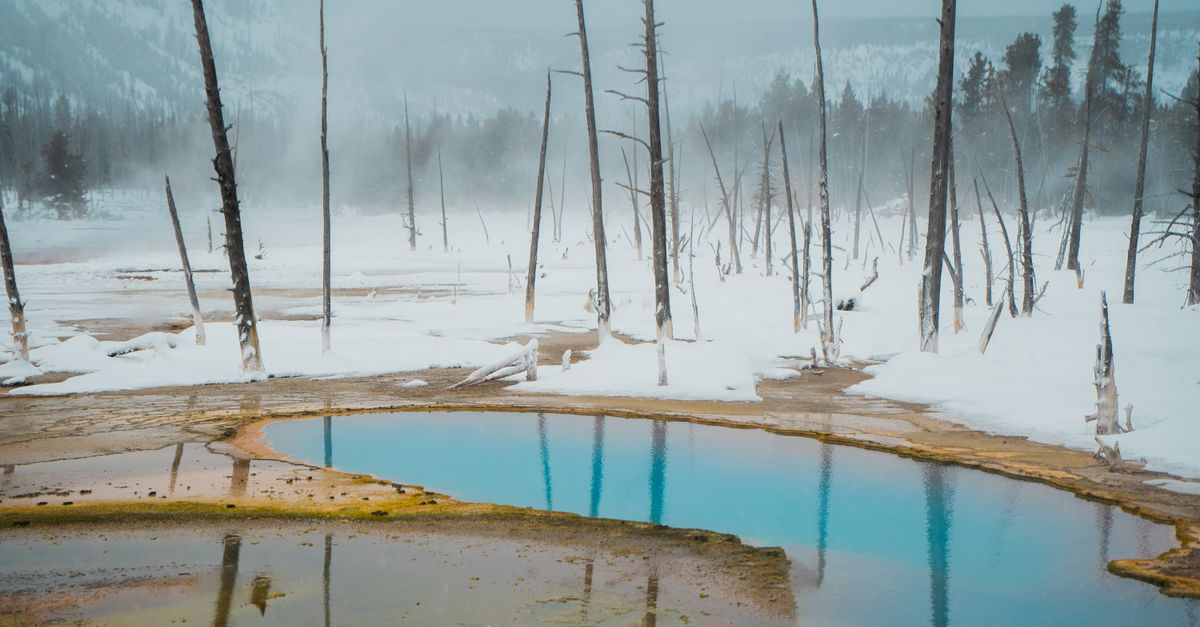
Photo by Meghan Marron via Pexels
Glenwood Hot Springs is Colorado's most accessible, family-ready soaking resort: 2.5 hours from Denver on I-70, walk-up tickets, day passes in the mid-$30s, and the largest hot springs pool on the continent. The Springs Resort & Spa in Pagosa Springs is the better soak, with 25 pools ranging roughly 83 to 114 degrees, fed by the Guinness-certified deepest geothermal hot spring on Earth. But it costs more, it takes planning, and it sits at the end of a five-hour drive over a 10,857-foot mountain pass. Families and first-timers belong at Glenwood. Soakers who want heat, variety, and a night soak under the stars belong at Pagosa.
| Spec | The Springs (Pagosa) | Glenwood Hot Springs |
|---|---|---|
| Soaking pools | 25 terraced pools, ~83 to 114°F | 2 pools: Great Pool ~90 to 93°F, Therapy Pool ~104°F |
| Signature claim | World's deepest geothermal spring (1,002 ft, Guinness, 2011) | World's largest hot springs pool (405 ft, ~1M gallons, est. 1888) |
| Reservations | Timed-entry day soaks, book ahead | Walk-up, no timed slots |
| Adult day pass | Roughly $40s to $50s, seasonal | Mid-$30s to around $40; evening discounts |
| Lodging | On-site resort rooms and suites, ~$250 to $600+ | Lodge on site (~$150 to $350) plus historic Hotel Colorado next door |
| Drive from Denver | ~5 hours via US 160 and Wolf Creek Pass | ~2.5 hours via I-70 and Glenwood Canyon |
| Vibe | Adult-leaning, intimate, varied heat | Big, bright, family waterpark energy |
The pools: twenty-five terraces vs. one giant tub
The Springs owns the temperature game. Its 25 soaking pools step down a steep bank of the San Juan River in downtown Pagosa, each plumbed separately from the Mother Spring and blended to its own temperature, so on any given day you can move from a lukewarm 83-degree recovery pool to a near-scalding 114-degree plunge without leaving the property. The water arrives mineral-heavy and seriously hot from the source, and the resort's published range runs roughly 83 to 114 degrees, the widest spread of any major resort in the state. On a January night I had one of the upper pools, a 110-degree pocket of steam with the river running black and cold ten feet below, entirely to myself for twenty minutes. That single soak is the argument for Pagosa.
Glenwood's argument is scale. The Great Pool measures 405 feet long, comfortably longer than a football field, and holds more than a million gallons of mineral water in the low 90s, warm enough to soak in and cool enough to actually swim laps in. The smaller Therapy Pool holds around 104 degrees for people who want genuine heat. Glenwood's source, the Yampah spring, sends water up at about 122 degrees, which the resort cools and treats pool-style. The trade-off is direct: Glenwood feels like the world's best swimming pool, while Pagosa feels like a circuit of hot tubs built by geology.
Reservations, day passes, and what they cost
The two resorts run opposite booking models. The Springs sells timed-entry day soaks online, and the windows matter: holiday weeks, spring break, and summer Saturdays routinely sell out days or even weeks in advance. Booking a hotel room at the resort, though, includes soaking access, which is how most people sidestep the reservation crunch. Adult day passes have climbed into the $40s and $50s depending on date, with reduced rates for children. Glenwood still sells walk-up tickets at the door with no timed slots; adult day passes run in the mid-$30s to around $40, children pay less, and evening rates drop further, which is one of the best value plays in Colorado soaking. Guests staying at either resort's lodging soak with the room. Both properties shift pricing seasonally, so treat these figures as current baselines, not gospel, and check the resorts' sites before you budget.
Sleeping, eating, and spa treatments
At The Springs, the lodging is the strategic move. Rooms and suites in the resort's hotel stack above the pools, which means a 10 p.m. soak in falling snow is a 90-second walk from your bed. That's the single best amenity Pagosa offers. Rates run from roughly $250 in shoulder season to $600-plus for riverside suites on peak weekends. Glenwood counters with the Lodge, attached directly to the pool deck at roughly $150 to $350, plus the 1893 Hotel Colorado across the lawn (Teddy Roosevelt's old haunt, mob lore included) and a full walkable town of alternatives.
Dining follows the same pattern. Pagosa's resort has modest on-site food and a bar, but downtown Pagosa, with breweries on the river and solid New Mexican food, is a short walk. Glenwood has the Pool Grille on deck and a pedestrian bridge into a downtown restaurant row that outclasses most mountain towns its size. Both resorts run real spas: The Spa at The Springs leans on massages and body treatments built around the mineral water in a quieter, treatment-forward setting, while Glenwood's salon-and-spa operation is larger, with a broader menu, a full athletic club, and steam caves available separately at the nearby Yampah Spa.
Getting there: Wolf Creek vs. Glenwood Canyon
Distance is Glenwood's trump card. Denver to Glenwood Springs is about 157 miles and 2.5 hours on I-70, making it the closest major resort soak to the Front Range. Amtrak's California Zephyr stops right in town if you'd rather ride. The caveat is Glenwood Canyon itself, which CDOT occasionally closes for rockfall and mudslides, as the 2021 debris flows proved; check road conditions before committing. Pagosa is a commitment: roughly 300 miles and five hours from Denver, with US 160 crossing 10,857-foot Wolf Creek Pass, a genuine winter driving obstacle where traction laws activate regularly. The nearest airport is Durango, an hour west. The payoff for Pagosa's remoteness is a town that never feels overrun and a ski hill twenty minutes up the road: Wolf Creek, famous for Colorado's deepest snow. Glenwood pairs with Sunlight Mountain and sits within an hour of Aspen and Vail traffic.
Families, adults-only zones, accessibility, and crowds
Glenwood is built for children: waterslides, shallow shelf areas, a vast deck, family changing rooms, and kids' admission rates, with every pool open to all ages. Its single-level layout is also the easier visit for anyone with mobility concerns, thanks to flat decks, accessible facilities, and pool assistance available on request. The Springs welcomes families but skews adult by design, designating several pools as adults-only, and honestly, its hottest water isn't for small kids anyway. Its terraced riverbank means stairs connect many levels, though the hotel's elevator and ramps reach most of the property. Call ahead if access is a priority.
Crowds split by calendar. Glenwood's pool absorbs people at a scale Pagosa can't, but its deck still fills on summer weekends and ski-season Saturdays; weekday mornings are the sweet spot. The Springs caps its crowds with timed entry, so even peak dates stay manageable, and weeknight soaks can feel borderline private. Both are slammed on holiday weekends, full stop.
The verdict: who should book which
Book Glenwood if children are in the party, the drive needs to be short, the budget is real, or anyone in the car wants to swim rather than soak. It's the most complete, easiest hot springs resort in Colorado and has been since 1888. Book The Springs if the soak itself is the entire point: maximum temperature range, maximum variety, night access, an adults-leaning atmosphere, and a geothermal feature no other resort on the planet can claim, a spring plumbed to 1,002 feet deep. And if you genuinely can't decide, the Coloradan answer is that they're five hours apart with half the state's other soaking options in between. Do both. Glenwood on the way out, Pagosa on the way home, Yampah's vapor caves if the canyon closes I-70.